The registration for this event has passed. Check back soon for content you missed, post-event updates, as well as recommendations for future events you may be interested in.
Details
Delivering a trusted genomic workflow from sample to report
Illumina is excited to be exhibiting at this year’s ACMG Annual Meeting in Baltimore. We will be featuring a dynamic program of end-to-end solutions, technologies and talks that can support labs who are eager to embrace genomics or simply looking to scale and optimize their workflows.
This year’s highlights include proximity mapped read technology, a new approach to whole-genome sequencing that generates long-range insights using standard SBS sequencing; and 5-base solution, delivering simultaneous detection of genetic variants and methylation patterns in a single assay.
Visit Illumina booth 1617 to meet with our specialists and learn how to get the most out of your genome. We will be providing live demos of our interpretation software and Medical Affairs & Market Access education and consultation opportunities.
Schedule of Illumina events
Wednesday, March 11
12:15 PM–1:15 PM (ET)
Corporate Partner Insights Session
Development and deployment of strategies to aid genome interpretation
Room 339–340
Genome sequencing is becoming a first-tier genetic test for individuals with a suspected rare disorder. However, the increased volumes create challenges and bottlenecks for laboratories, particularly for genome interpretation and reporting. These challenges necessitate the development of tools and strategies to increase throughput and ultimately improve accuracy.
The core theme of this talk is to discuss practical approaches to reduce time for genome interpretation and increase yield, drawing on the real-world experience at SickKids Genome Diagnostics Laboratory. We focus on two complementary strategies: artificial intelligence (AI) assisted genome interpretation and networked data sharing and discuss ongoing development and challenges with implementation in a genomics laboratory.
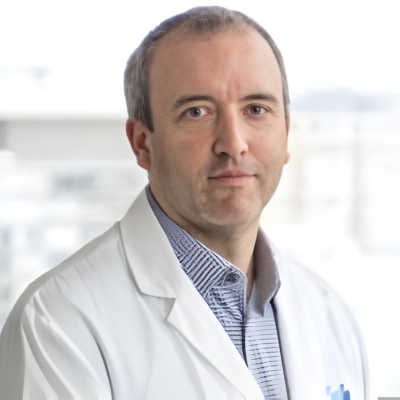
Christian Marshall, PhD, FACMG, FCCMG
Molecular Laboratory Dir, Div of Genome Diagnostics, Dept of Pediatric Laboratory Medicine
The Hospital for Sick Children, Toronto, Canada

Livia Loureiro, PhD
Sr Staff Medical Science Liaison, Medical Affairs
Illumina
Thursday, March 12
12:30 PM–12:45 PM (ET)
Platform Presentation
A rapid, novel approach to rare disease and clinical genetic variant discovery using on-flowcell proximity sequencing and haplotype-resolved variant calling
Ballroom III
Rare-disease testing remains unevenly accessible and is often a prolonged diagnostic odyssey due to stepwise testing. This challenge is magnified for medically relevant paralogous loci, where high homology and structural complexity create difficulty for standard short-read sequencing.
To overcome these barriers, we present a novel workflow that involves the Illumina on-flow cell proximity sequencing and an informatics framework -multi-region joint detection (MRJD) - to generate haplotype-resolved genotypes across historically “dark” genomic regions. Our data supports our technology as a unified, genome-wide assay that brings historically “dark” regions into routine clinical research while reducing the need for orthogonal testing, improving time to result.
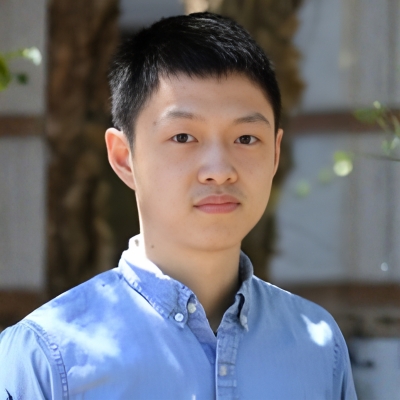
Shunhua Han, PhD
Bioinformatics Scientist
Illumina
Friday, March 13
11:55 AM–12:25 PM (ET)
Exhibit Theater
Next-generation genome: Early experience with proximity mapped read technology and a path toward multiomics
Exhibit Theater 1
In this session, Dr. Fen Guo will present on her innovative approaches tackling complex rare diseases demonstrating the value of using genome sequencing (GS) as a tier-1 test, leveraging GS as the backbone for other workflows, and evaluating proximity mapped read technology for resolving complex variants in medically challenging genomic regions. Her talk invites us to think creatively about how advancing technology can uncover an unparalleled range of pathogenic abnormalities in rare disease.

Fen Guo, PhD, FACMG, FCCMG
Scientific Dir & CLIA/CAP Lab Dir
UPMC Clinical Genomics Laboratory, High Throughput Genomics Core
Assoc Program Dir, ABMGG Laboratory Genetics and Genomics Fellowship
Asst Professor, Univ of Pittsburgh
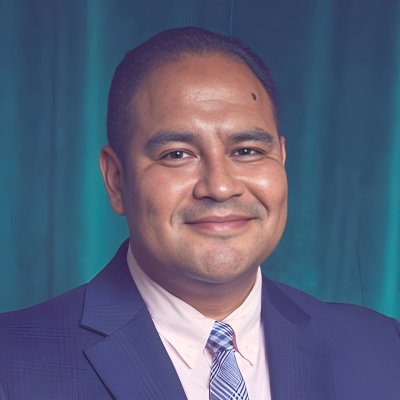
David Silva
Assoc Dir, Product Mgmt
Illumina
M-AMR-02076
- Date & Time
- 10 Mar 2026 – 14 Mar 2026
- Location
- Baltimore Convention Center
Illumina booth 1617
Baltimore, Maryland - Topic
- Complex disease genomics, Genetic & rare diseases