Cancer whole-genome sequencing

Study genetic events that go beyond protein-coding regions

Genome-wide comparisons of cancer vs matched normal DNA with WGS

Cancer whole-genome sequencing (WGS) with next-generation sequencing (NGS) provides a base-by-base view of the unique mutations present in cancer tissues. It enables the discovery of novel cancer-associated variants, including single nucleotide variants (SNVs), copy number changes, insertions/deletions (indels), and structural variants. Many cancer-associated variants have been discovered using cancer whole-genome sequencing. WGS also provides a comprehensive view of genomic changes in cancer DNA samples compared to normal DNA.

Cancer genomes typically contain unpredictable numbers of point mutations, fusions, and other aberrations. Since many of these alterations may be novel and not reside in coding regions, cancer WGS offers the most comprehensive approach for variant identification. In contrast, targeted approaches like exome sequencing may miss specific variants, such as those outside coding regions.
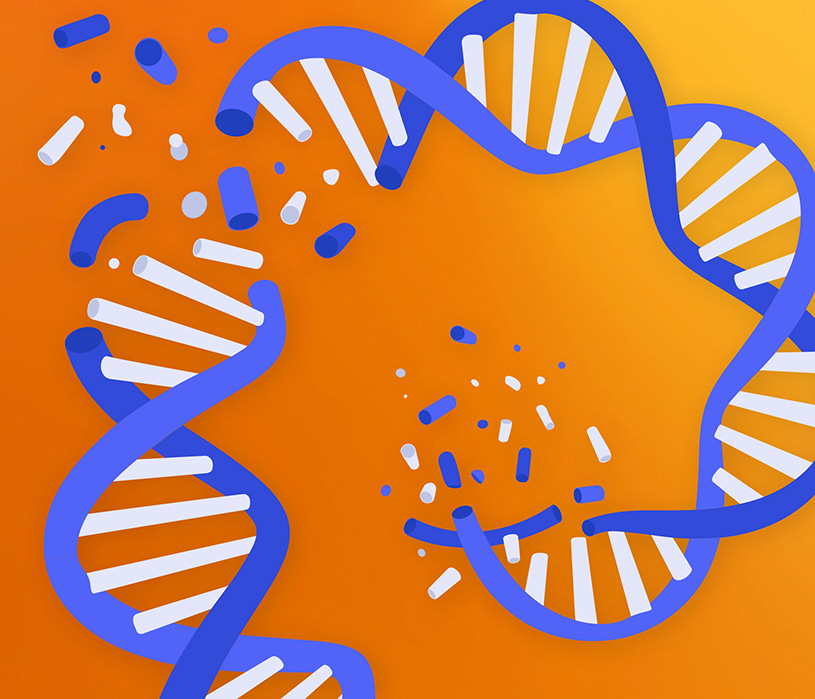
Close up, side view of a female scientist interacting with the touch screen monitor on a NovaSeq 6000, selecting from the sequencing screen; green status bar; blurry image in the foreground

Benefits of WGS over targeted molecular panels in cancer research

  • Assesses the full genomic backbone of an organism or tissue for unbiased analysis and potential discovery of novel cancer-associated genes
  • Detects genomic signatures that may not yet be linked to cancer phenotypes
  • Discovers noncoding regions of the genome that may influence cancer progression
  • Uncovers genome-wide integration sites of oncogenic viruses

Cancer whole-genome sequencing workflow

Illumina offers library preparation, sequencing, and data analysis options for cancer whole-genome sequencing and tumor–normal comparisons. Streamlined library prep workflows and flexible kit configurations accommodate multiple study designs.

1
Library prep
2
Sequencing
3
Data analysis

Tumor–normal sequencing

Through tumor–normal whole-genome sequencing, researchers can compare tumor mutations to a matched normal sample. Tumor–normal comparisons are crucial for identifying the somatic variants that act as driver mutations in cancer progression.

Illumina offers the following pushbutton tools to facilitate analysis of tumor–normal WGS data.

DRAGEN secondary analysis

Accurate, ultra-rapid analysis of WGS data and other NGS data, on-premise or in the cloud, with somatic, germline, and other app options.

DRAGEN Somatic pipeline

Comprehensive, versatile pipeline includes tumor-only and tumor–normal modes, and is designed for detecting somatic variants in tumor samples. Both modes make no ploidy assumptions, enabling detection of low-frequency alleles.

BaseSpace Sequence Hub

An economical and powerful cloud computing environment to manage, analyze, and share NGS data.

Featured cancer WGS research findings

Learn about a study evaluating the analytical performance of WGS in identifying somatic small variants, structural variants (SV), and copy number alterations (CNA) specific to acute myeloid leukemia (AML). The research findings demonstrate how WGS provides a comprehensive genomic characterization of blood cancer samples.

Read how WGS can detect chromosomal changes, structural variants, and cryptic mutations that may be missed by traditional methods like cytogenetics and fluorescence in situ hybridization (FISH) in myeloid and lymphoid cancers.

Related cancer research resources

Cancer Research Guide

The Cancer Research Guide is a 40+ page comprehensive resource covering sequencing and microarray methods, solutions, and more.

Thumbnail

Sequencing DNA and RNA from the same sample

Watch the new in-lab quick start video to learn how to prepare high-quality DNA and RNA samples for multiomic sequencing.

Thumbnail

Advancing cancer research with multiomics

Learn how to link the causes and consequences of complex phenotypes through multiomics to enable discoveries that weren’t possible before.

Speak to a specialist

Interested in learning more about cancer whole-genome sequencing?